 Arctic Council Working Group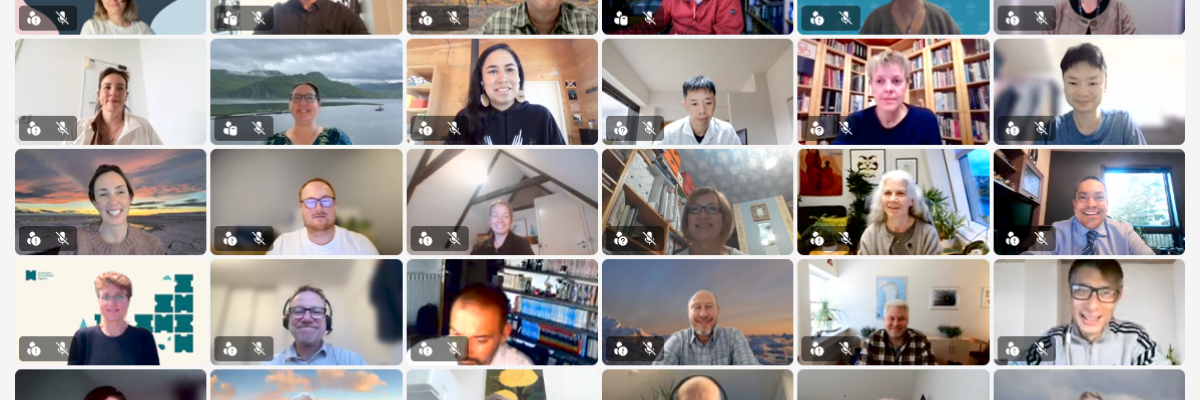
CAFF WG Plenary 2026-II highlights continued progress on CAFF's 2025-2027 Work Plan
2026-10-01
The third CAFF Working Group plenary meeting under Iceland's 2025-2027 Chairship was held online on 21, 22, 28 and 29 September 2026. Over 80 representatives from Arctic States, Permanent Participants, Observers, and CAFF expert groups reviewed progress across the 2025-2027 Work Plan and discussed priorities that will guide CAFF's work through the remainder of the chairship period.
The plenary marked an important milestone in ongoing efforts to advance the Actions for Arctic Biodiversity 2025-2035, with discussions focused on refining priority actions, defining implementation approaches, and ensuring that future CAFF activities align with shared biodiversity goals across the Arctic. Participants also reviewed progress on the proposed CAFF Biodiversity Indicator Strategy, which aims to strengthen the link between Arctic biodiversity monitoring and policy needs at regional and global scales.
Significant progress was reported across the Circumpolar Biodiversity Monitoring Programme (CBMP). Updates included work on the next CBMP Strategic Plan, the development of an integrated biodiversity indicator report, approval of the CBMP Terrestrial Implementation Plan 2027-2032, and continued advances in freshwater, coastal, and marine monitoring activities. Participants also received recent updates to the State of the Arctic Marine Biodiversity Reports (marine mammals and benthos chapters) towards a wider release at the end of the Icelandic Chairship of CAFF.
The plenary also received updates from several CAFF initiatives and expert groups. These included the Arctic Migratory Birds Initiative (AMBI), CAFF’s Circumpolar Seabird Expert Group (CBird) including the development of an Integrated Harvest management Strategy for Thick-billed Murres in the North Atlantic, work on area-based conservation and OECMs, marine invasive alien species, and the joint CAFF-AMAP assessment on climate change impacts and ecosystem feedback. Discussions highlighted the importance of continued collaboration, Indigenous Knowledge engagement, and strong partnerships in delivering Arctic biodiversity outcomes.
Looking ahead, participants began shaping priorities for the 2027-2029 CAFF Work Plan. Discussions included the reactivation of the CAFF Flora Group, future biodiversity indicator work, continued development of the Salmon Peoples of the Arctic, biodiversity mainstreaming activities and wetlands conservation efforts. Participants also emphasized the importance of strengthening cross-cutting efforts related to Indigenous Peoples' engagement, youth engagement, communications, and collaboration across Arctic Council Working Groups.
"The discussions during this plenary demonstrate the continued commitment of Arctic States, Permanent Participants, Observers, and experts to advancing Arctic biodiversity conservation and cooperation," said Snorri Sigurðsson, Chair of CAFF. "The progress reported across CAFF's programmes and projects provides a strong foundation as we continue implementing our work plan and preparing future priorities for Arctic biodiversity."
The next CAFF Working Group plenary meeting is scheduled for February 2027 and will focus on finalizing key deliverables and work plan priorities and supporting preparations for the transition to the next CAFF Chairship.